
The growth of the Indonesian film industry onto the global stage requires creative talent not only in production but also in post-production. They are not only demanded to be technically proficient but also to possess conceptual thinking, a mature work philosophy, and high artistic sensitivity. However, it is currently recognized that there is a gap between academic knowledge and the practices and work standards in the fast-paced professional industry. In response to these challenges, the Indonesian Film Editors (INAFEd), in collaboration with the National Talent Management (MTN) for Arts and Culture, and the Indonesian Institute of Arts (ISI) Yogyakarta, Faculty of Recording Media Arts, have initiated “MTN AsahBakat: EdiTour INAFEd X ISI Yogyakarta: Seeking Cutting and Juxtaposition in Adding Value to Story Strength”, a workshop editorial thinking in film post-production. This program is designed as a strategic bridge between the education and industry worlds, in line with the National Talent Management (MTN) of Arts and Culture's vision to foster and enhance the competency of superior talents in the field of arts and culture through the flagship program “MTN AsahBakat.”.
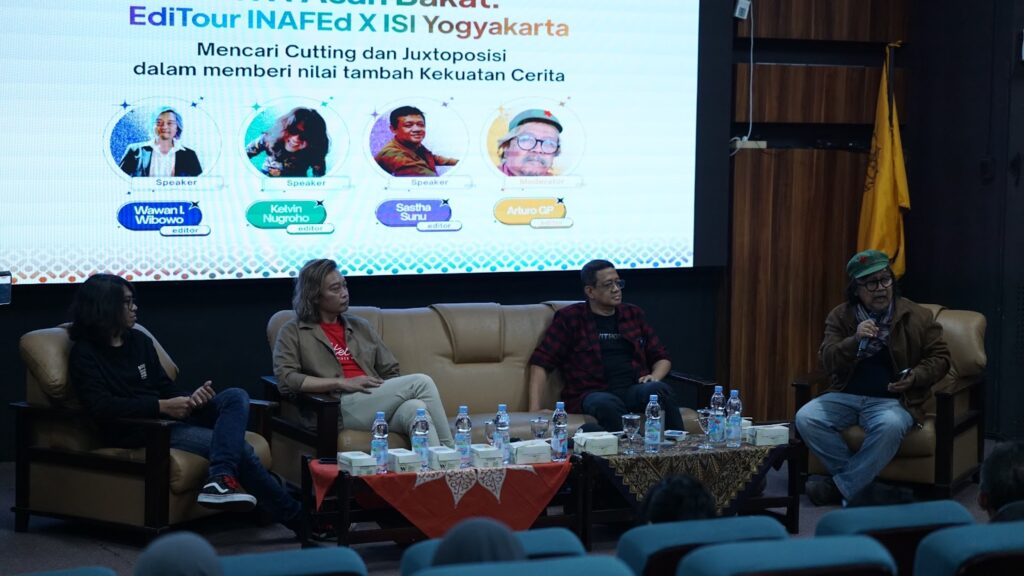
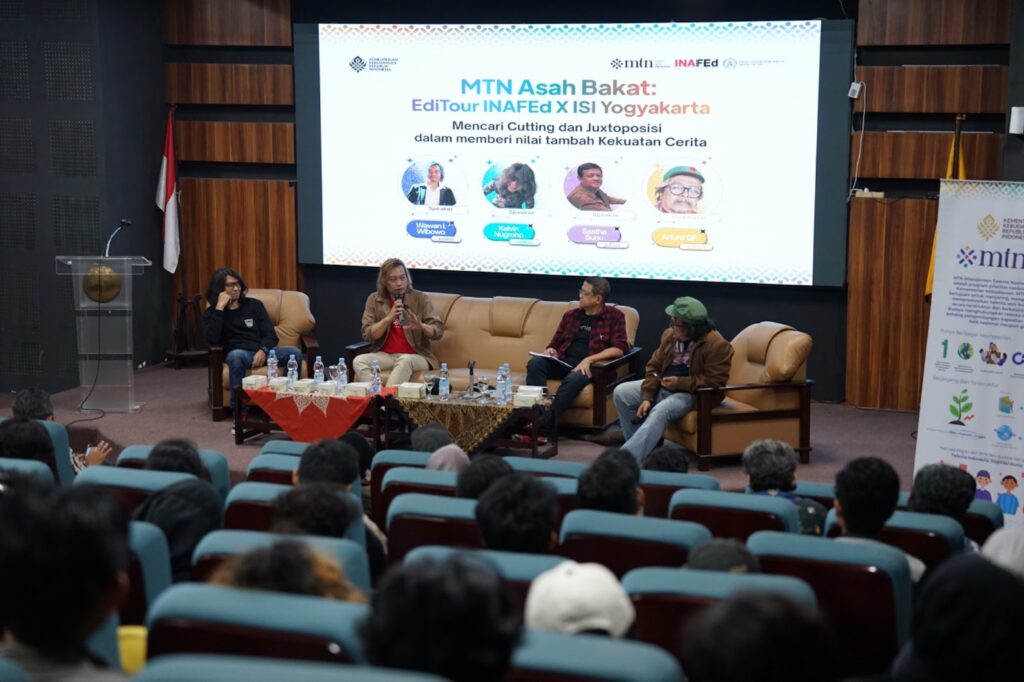
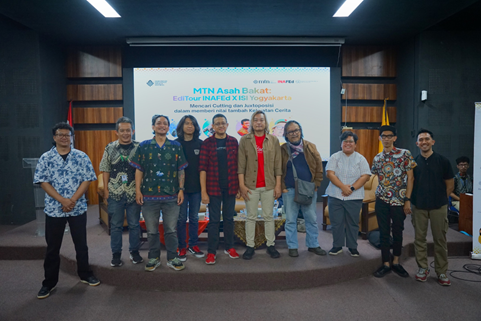
This INAFEd 2025 EDITour presents INAFEd member editors as speakers: Sastha Sunu, editor for over 60 films with 5 awards for best editor at national and regional events, as well as a film competency assessor, Wawan I. Wibowo, a film editor with extensive experience, has edited over 100 feature films and won four Citra Awards at the Indonesian Film Festival for Best Picture Editor. He is currently also the Chairman of the Indonesian Film Editors Association (INAFED) for the 2023-2028 term, as well as Kelvin Nugroho, edited over 55 films and has won 3 Citra Awards for Best Editor at the FFI and one at the Piala Maya Awards. The moderator is a senior editor, a Citra Award winner, and former chairman of INAFEd, Arturo GP.
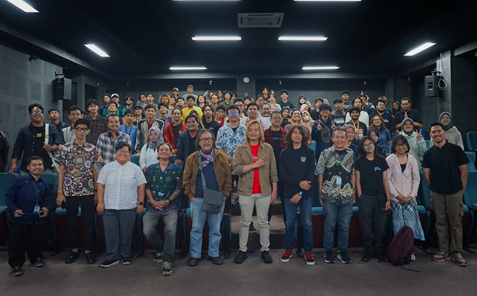
This activity was held at the Faculty of Recorded Media Art, ISI Yogyakarta on December 9, 2025, from 3:00 PM to 6:00 PM WIB. It was attended by 115 students from the Faculty of Recorded Media Art ISI Yogyakarta, specifically from the S1 Film and Television program, D4 Film and Television Production program, D4 Animation program, as well as students from other film schools in Yogyakarta and professionals in the editing field. The event was hosted by Reza Pahlevi, head of the D4 Film and Television Production study program, as well as the Chairman of the Yogyakarta Filmmaker Association, and was officially opened by the Vice Dean for Academic Affairs, Arif Sulistiyono, representing the Dean of FSMR who was on duty at another event. Meanwhile Rainy weather As a representative of the National Talent Management (MTN) for Arts and Culture, the speaker emphasized that the MTN for Arts and Culture aims to nurture the best young generation through Indonesian artistic talent in a structured, inclusive, and data-driven manner via a digital platform. He stated that MTN has partnered with over 200 festival and community partners, involving 30,000 participants across five art fields: literature, film, fine arts, performing arts, and music, covering 22 cities in Indonesia and 7 countries. Through one of MTN's programs, the MTN AsahBakat, activity EDITour This is a form of intensive training that helps participants hone their technical and conceptual skills in the field of cultural arts, especially film. In addition to presentations from MTN representatives, participants also received information related to MTN and data entry. Talent Pool through video footage.
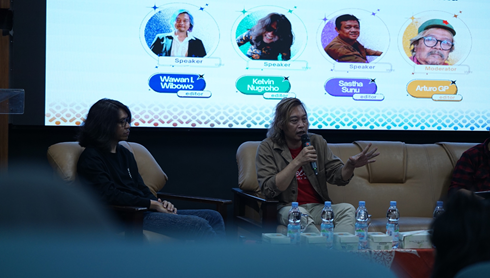
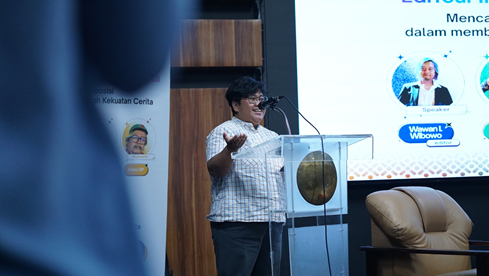
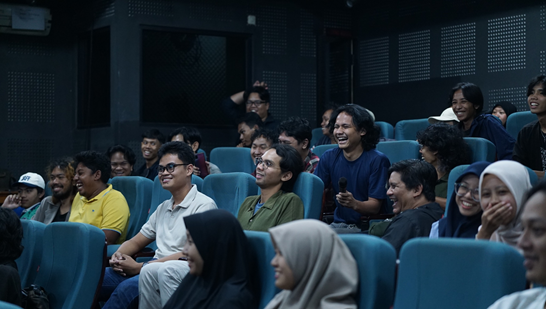
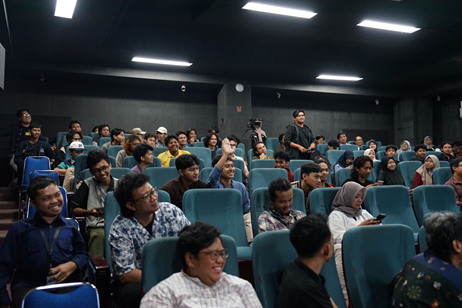
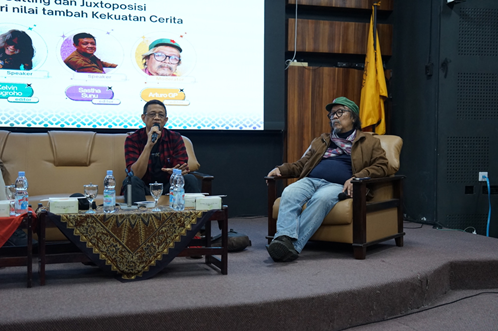
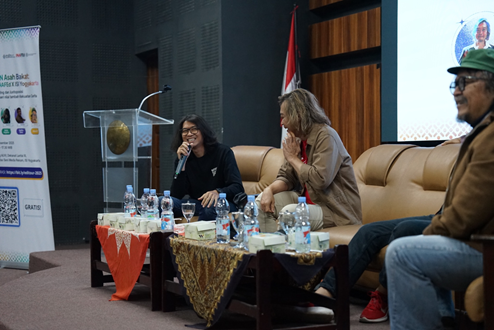
During the discussion session led by Arturo GP, Sastha Sunu telling about his experience in managing juxtaposition one Scene important in the movie “5 cm” when he decided to only show one shot Genta's long dialogue without any interruptions reverse shot Riani's character is meant to evoke empathy from the audience for her long wait to confess her love to Riani so that there is no need for interruptions in the form of shot In addition, Sastha also stated that the change in order shot In editing, it's possible to change all information, but don't change the character. Meanwhile Wawan I. Wibowo also explained the important role juxtaposition in the case of the film “Ipar adalah Maut” to provide dramatic tension to the audience. He shows a case example Scene When the character Aris is having an affair with Rani in Nisa's room and Nisa enters the house at that moment. Through the sequence of shots constructed, the audience anxiously anticipates that Nisa will catch them. However, this does not happen because Aris is already seen sleeping alone when Nisa enters the room without showing shot The queen sneaked and hid in the structure cutting-nya. Wawan further added that the editor's job is to make the script flow, but if the script changes at the editing table, it must be rewritten based on shot that the director made. Kelvin Nugroho also tells about various challenges in the editing process of the film “Marlina the Murderer in Four Acts,” especially Scene for the dead robbers who were poisoned which were Scene long–take with static–shot so that he and the director had to experiment many times until the final result was jump–cut. He also doesn't just look at the editing motif through scenes but in other parts uses composition shot, linking graphic aspects within the field frame.
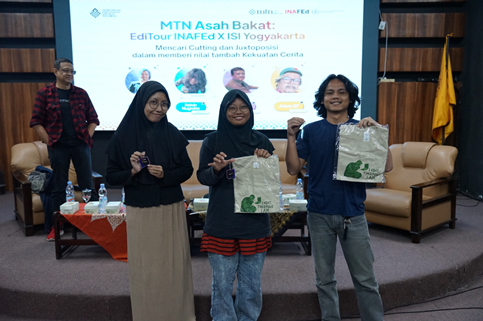
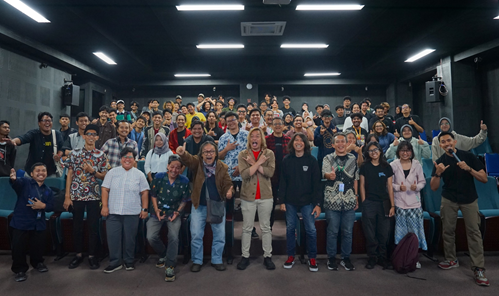
In addition to the speakers' presentations, the discussion grew more spirited with various questions from participants, encompassing both conceptual and technical matters. The event concluded with the presentation of souvenirs to active questioners, followed by a group photo. This EdiTour INAFEd MTN AsahBakat event is expected to be an effective investment in the Indonesian filmmaking talent development cycle and to have sustainability in the following years. (Public Relations)


 EN
EN  ID
ID